
Quiet Luxury, Lasting Calm

Step into a world where color hushes, texture whispers, and every surface contributes to restorative ease. Today we explore Quiet Luxury color palettes and textures for serene interiors, translating refined nuance into rooms that breathe beautifully. Expect useful frameworks, lived-in anecdotes, and graceful ideas you can apply immediately. Share your questions, impressions, and palette experiments with us, and subscribe for thoughtful updates that keep your home evolving softly, intentionally, and with enduring comfort.

Defining Quiet Luxury at Home

Quiet luxury is not about emptiness or expense; it is about clarity, restraint, and deeply considered choices that feel effortless. Think balanced neutrals, tactile honesty, and pieces with substance rather than spectacle. A serene interior begins when color and texture collaborate, softening edges, guiding light, and inviting touch. We will focus on subtle shifts that yield profound calm, encouraging you to slow down, listen to materials, and curate a mood that supports everyday rituals without demanding attention.

Color Architecture: Building a Balanced Palette

Designing calm begins with a palette structured like architecture: foundation, nuance, and gentle accents. Start with grounding neutrals that harmonize undertones across flooring, walls, and large upholstery. Introduce tonal steps to avoid flatness, then add refined color whispers where the eye can rest. Test paints on large boards, moving them throughout the day. Prioritize light reflectance values to coordinate brightness. The outcome is depth without drama, movement without noise, and a cohesive language that supports texture beautifully.

Texture as a Language

Texture carries emotion. Combine open-weave linens, cashmere throws, honed stone, brushed oak, and plaster finishes to compose a tactile sentence that soothes. Each layer should earn its placement by adding distinct sensation: warmth, coolness, grain, or softness. Avoid excessive variety and aim for complementary hand-feel. Repeating textures in different scales builds coherence. Think boucle on a small ottoman, not the entire sofa; ribbed ceramic as a lamp base, not every vase. The result is touchable richness that invites lingering and care.

Light, Shadow, and Finish Sheen

Serenity depends on how surfaces accept light. Calibrate daylight, artificial layers, and paint sheen to reflect softly rather than glare. Matte and eggshell finishes disperse illumination, while satin highlights delicate profiles on trim. Map light through the day, noting hot spots and gloom. Use warm color temperatures in evening fixtures to preserve circadian ease. Shadow is a collaborator, adding dimensional calm. When glow, color, and texture align, rooms feel coherent at every hour, supporting work, rest, and unhurried conversation.

Daylight Mapping

Track sun paths for a week, noting when rooms feel washed out or heavy. North light prefers warm neutrals; southern exposures can accept cooler mists. Hang oversized paint swatches, move them hourly, and photograph results. Sheers in natural fibers filter harsh moments without deadening vibrancy. If glare persists, introduce woven shades that add texture and control. The goal is even, breathable light that flatters materials, skin tones, and artwork while minimizing squinting, eyestrain, and the stress that follows visual discomfort.

Sheen Strategy

Use a hierarchy of sheens to manage reflection. Matte on broad walls welcomes soft diffusion; eggshell in high-traffic corridors balances wipeability and quiet glow; satin on millwork emphasizes profiles without strobe-like shine. Test under your actual fixtures, because bulbs and angles change behavior dramatically. Pair low-sheen paint with lustrous textiles for tension, or reverse it with subtle satin walls and coarse linen drapes. This choreography keeps light gentle, guiding attention to silhouettes and texture while protecting the tranquil mood you are cultivating.

Night Mood Layering

After dusk, rely on layers: concealed cove lighting for ambient calm, dimmable task lamps for reading, and focused accents for art or architectural moments. Choose warmer bulbs to prevent clinical chill. Shade materials matter—linen diffuses beautifully, parchment adds creamy warmth, and pleated silk provides gentle pattern. Avoid downlights centered over seats, which create harsh shadows. Instead, place pools of light beside conversation zones. Night should feel like enveloping glow, not interrogation, letting color deepen and texture become softly cinematic.

Room Applications and Flow

Translate principles into rooms with considerate transitions. Let a cohesive palette travel, shifting tone and texture to suit function and light. Prioritize harmony over uniformity by repeating one wood species and one stone family across spaces. Anchor circulation with consistent trim color. Encourage pauses with tactile seating and understated art. We will explore moments that steady the day—morning routines, reading corners, bathing rituals—using calm color, layered texture, and measured contrast to keep movement intuitive and emotionally restorative.

Living Sanctuary

Begin with a grounded rug sized generously so front legs of seating land comfortably. Choose an ivory limewashed wall to diffuse daylight, then add a smoked oak coffee table for steady contrast. Keep the sectional in a mushroom linen-blend, supplemented by boucle pillows for touch. Curtains in ecru float to the floor, skimming barely. A library lamp with parchment shade pools honeyed light. Invite conversation, not content overload, with a curated stack of books and a single ceramic vessel that feels hand-formed.

Restful Bedroom Rituals

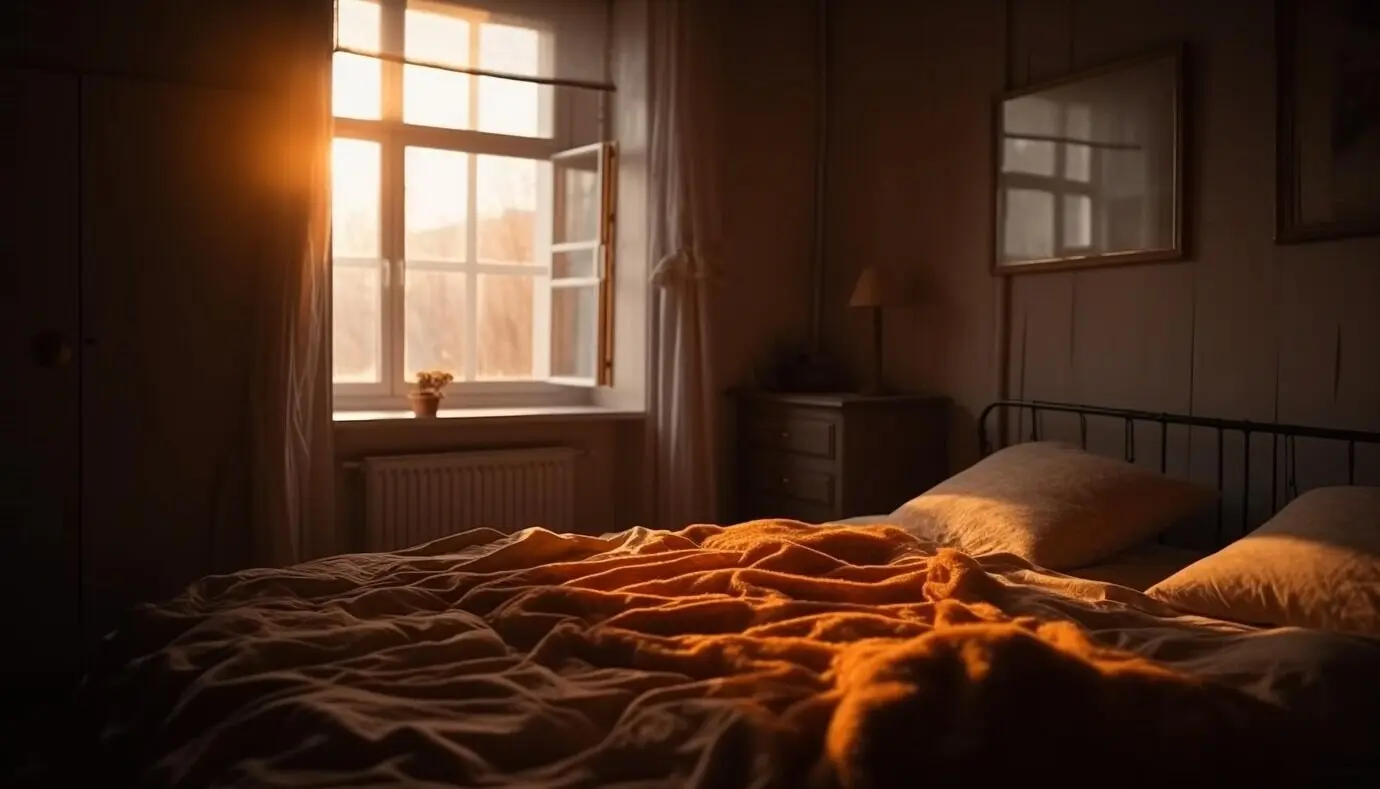
Aim for soft shadow and breathable layers. Walls in warm greige hold dusk gracefully while a headboard in textured wool grounds the bed. Choose percale sheets for crispness, add a cashmere throw for warmth, and avoid glossy furniture that reflects moonlight. Bedside lamps with linen shades should dim low. A woven bench gathers night reading. Keep art contemplative, with muted palettes and quiet composition. The room becomes a gentle boundary from the day, ready for slow breaths and consistent, unhurried sleep.

Sustainable Choices and Long-Term Care
Serene interiors earn trust by lasting. Choose responsibly sourced woods, natural fibers, and finishes that can be maintained or repaired. Purchase fewer, better pieces with proven construction. Embrace patina rather than chasing perfection. Establish simple care rituals that extend life: seasonal oiling, gentle cleaning, and rotating textiles. Sustainable choices support both planet and peace of mind, freeing you from constant replacement. Share your maintenance wins and questions in the comments, and subscribe for ongoing checklists tailored to quiet, durable living.
Nipepiratizixafa
Privacy Overview

This website uses cookies so that we can provide you with the best user experience possible. Cookie information is stored in your browser and performs functions such as recognising you when you return to our website and helping our team to understand which sections of the website you find most interesting and useful.